SEMA Show Prep: Build Your Follow-Up Strategy Before You Land in Las Vegas
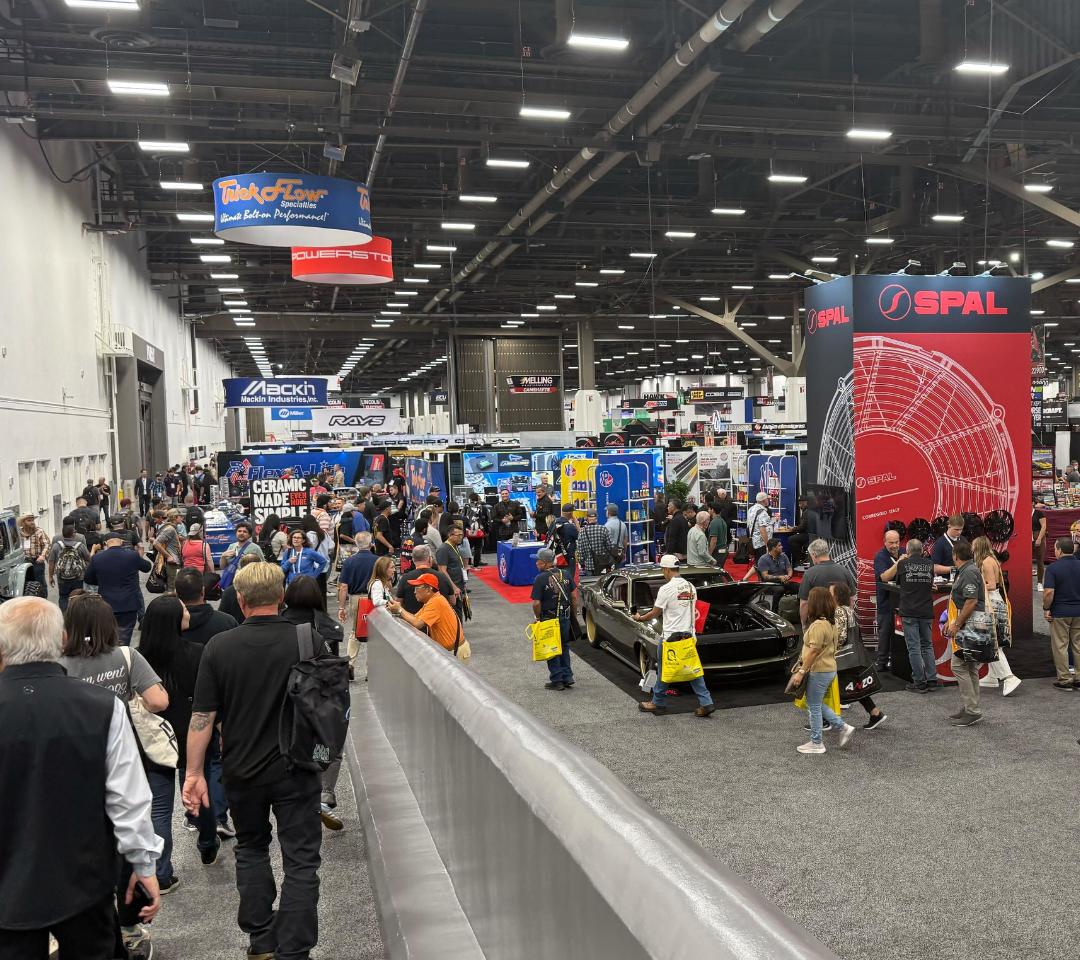
A shop owner scans the QR code on your booth wall, lands on your homepage, types a part number into search, and gets zero results because the product you launched at the SEMA Show is not live yet. That scan cost you the booth space it took to earn it. More than 153,000 people attended SEMA in 2025, and SEMA reports that over 70% of them held senior leadership roles. You won’t find a cleaner room of qualified buyers all year. The pages and tags you build in the next three weeks will decide whether any of those conversations turn into purchase orders in December.
SEMA is one of our favorite events of the year, and this year we’re hosting an ecommerce happy hour on Thursday, November 5, from 6 to 9 p.m. at F1 Arcade Las Vegas. If you’re in town for the show, come say hi, grab a drink, and talk shop with us. Before then, here’s what we tell every exhibitor we work with.
SEMA 2026 runs November 3rd – 6th at the Las Vegas Convention Center. The first three days are trade only. Friday, November 6, is open to the public. That split affects follow-up more than most exhibitors realize, and it’s why we encourage you to set things up now, before you leave, instead of on the flight home.
What should a SEMA exhibitor finish before the show opens?
There are five key things your team should handle before SEMA that will make follow-up after the show faster and more specific.
1. Fitment-accurate pages for every product in the booth
Every part on display needs a live product page with complete year/make/model fitment, down to the submodel, before the doors open. A dealer who leaves your booth interested in a 2024 Tacoma lift kit will check your site that night from the hotel. If the fitment table is missing, or the product page still says “coming soon,” that buyer has no way to confirm the part fits the trucks they sell, and they move on to the next booth’s catalog.
Why it matters for follow-up: your post-show emails will link to these pages. A follow-up that sends a warm lead to a broken or vague page undoes the conversation you had in Vegas. If your fitment data lives in ACES files from your PIM, confirm the new SKUs actually made it into your storefront’s year/make/model lookup. We covered the conversion side of this in how fitment data drives auto parts conversions.
2. A UTM-tracked QR landing page, not your homepage
Point every booth QR code to one dedicated landing page URL tagged with UTM tracking parameters like utm_source=sema, utm_medium=booth-qr, and utm_campaign=sema-2026. Build a separate code for each placement if you can, so the banner code and the spec sheet code report separately. Then your analytics will tell you which physical spot in a 20-by-20 booth actually drove traffic, and which collateral items inspired the most interest.
The page itself should show your show specials and new releases, with one form asking whether the visitor buys for a business or for their own vehicle. Do not send QR traffic straight to your homepage. It mixes show visitors with normal traffic, pushes interested customers back to the starting line, and you lose the ability to prove the booth paid for itself.
3. One lead capture method, tagged “SEMA 2026”
Pick one capture method and make every rep use it. That could be the show’s badge scanner app or a tablet running a Dotdigital or CRM form. Mixing paper cards with badge scans and phone notes is how leads end up in three places and get followed up in none of them.
Whatever you choose, every record needs a tag that says where it came from. In Dotdigital, you can add a hidden field to your booth form that quietly stamps each signup with “SEMA 2026.” Visitors never see it, but it saves to their contact record so you can pull a clean SEMA list later (Dotdigital’s documentation shows how). Test it before the show to make sure the tag sticks. If you use badge scans instead, add the same tag when you import the file. Then add a second field for buyer type. You will need it on November 9.
4. A shared doc of booth questions
Open one shared Google Doc and tell every rep to log the questions they hear, word for word, with the product they were about. “Does this clear 35s with the stock fender liner?” is worth writing down. So is “Do you drop ship for dealers without a minimum?”
Why it matters for follow-up: these questions become your first email after the show and the outline for your next few blog posts. They are also the exact phrasing your buyers type into Google, which is more useful than any keyword tool.
5. Your booth number on social and email, starting now
Put your booth number and hall in every rep’s email signature, then send a short note to your current dealer list. Buyers plan their routes before they land in Las Vegas. If your existing accounts know where to find you, you get scheduled meetings instead of random foot traffic, and scheduled meetings produce better notes for follow-up.
Why do SEMA leads go cold so fast?
Leads go cold because every other exhibitor is emailing the same buyer the same week, and the buyer is sorting through roughly 2,300 brands’ worth of business cards. The window is short. SEMA’s own guidance tells exhibitors to contact leads within days and no more than a few weeks after the show.
The intent is there, though. A SEMA’s buyer research has found that 90% of buyers plan to make a purchase from exhibitors after the show. Purchase intent without a timely, specific follow-up just means the order goes to whoever emailed first with the right fitment page and pricing. A generic “great to meet you at SEMA” email sent two weeks later competes with that and usually loses.
How should you segment trade buyers from public day visitors?
Split them into separate lists before you send anything. Trade visitors from November 3 to 5 are dealers and shop owners who want pricing tiers and minimum order quantities. Visitors from Friday, November 6, are mostly enthusiasts who want to know where to buy the part they saw and whether it fits their own truck.
Sending both groups the same email wastes both opportunities. A dealer who gets a 10% retail coupon thinks you do not understand wholesale. An enthusiast who gets a dealer application form does nothing with it. The tag you add at the booth (buyer type plus date) is what makes this split possible, which is why step 3 in our pre-show recommendations above matters so much.
In Dotdigital, build one segment for each group using those tags, then set up a separate automated program for each:
- Trade program, sent within 48 hours: A personal note from the rep who met them, the line sheet for products they asked about, and a link to apply for a dealer account. A second email at day 7 answers the most common booth questions. A third at day 14 offers a call.
- Public day program: A welcome email with links to the exact products shown at the booth, fitment lookup front and center, and a show-only offer with a real expiration date. After their first purchase, move this group into your regular Dotdigital retention emails.
Dotdigital is a natural fit for the consumer side, especially if you already run your post-purchase flows there. Trade leads often need a CRM too, since those deals involve reps, quotes, and multiple steps before an order. Dotdigital connects with CRMs like Salesforce and Microsoft Dynamics, so you can keep dealer deals in the CRM and still send both groups email from one place.
What else should happen in the weeks after the show?
Email is the first move, not the only one. Two other pieces turn a four-day event into a quarter’s worth of pipeline.
Retargeting show visitors
Everyone who scanned your QR code hit a tagged landing page, so you can build a retargeting audience from those visits on Meta Ads and Google Ads, and upload your tagged contact lists as custom audiences. Show the trade segment dealer program ads. Show the public segment the products they looked at. Keep the window tight, about 30 days, because show interest fades with the holidays.
Turning booth questions into content
Go back to the shared doc. Group the questions by product, answer the top ten on the product pages, and turn the bigger ones into posts. “Will a 3-inch lift on a 2025 Silverado need new upper control arms?” is a search people run all year, and you heard it from a buyer in person. That content keeps paying off long after November.
Reporting what the booth earned
Set a date, around 60 days after the show, to report on it. Pull new dealer accounts and revenue tied to the SEMA 2026 tag and UTM campaign, then put that next to the booth cost. If you skip this, you will decide whether to exhibit in 2027 on gut feel.
What does SEMA Show follow-up look like when Blayzer runs the program?
You handle the booth prep above. Blayzer takes over the follow-up from the day the show closes.
- Before the show (about 1 week): We review your QR landing page and form tags so your lead data comes back clean. You handle the product pages and the booth.
- Show week: We build the trade and public day programs in Dotdigital, ready to turn on. You collect leads and keep the booth questions doc up to date.
- Weeks 1 to 4 after the show: The programs go live, retargeting audiences launch, and we turn booth questions into product page updates and content. You handle rep calls and dealer approvals.
- Day 60: We provide an ROI report that connects SEMA-tagged leads to orders and revenue.
Most engagements take 6 to 10 weeks from kickoff to the ROI report, depending on how many SKUs you’re launching and whether your CRM and storefront are already connected to Dotdigital. If they aren’t, that setup comes first and adds time. See our email marketing services and our Dotdigital partnership for how we set these programs up.
Is it too late to make SEMA 2026 worth it?
No. Three weeks is enough time to publish the booth product pages and print tagged QR codes, and one afternoon is enough to settle on a lead capture method. What cannot wait is the follow-up plan, because the trade program should go out within 48 hours of meeting a buyer and the public day leads land on Friday, November 6, the last day of the show. If the segmented programs are not built before then, your leads sit in a spreadsheet through the following week while other exhibitors reach the same buyers first. Book a post-show follow-up consult before November 6 and we will map your trade and public day programs around the leads you bring home from Las Vegas, with retargeting and a day-60 ROI report built in.
Frequently Asked Questions
When is SEMA 2026?
SEMA 2026 runs November 3 to 6, 2026, at the Las Vegas Convention Center. Tuesday through Thursday are trade-only days from 9:00 a.m. to 5:00 p.m. Friday, November 6, is open to the public from 9:00 a.m. to 4:00 p.m., which means your booth will see two very different types of visitors that week.
How soon should you follow up with SEMA leads?
Follow up with trade leads within 48 hours, while the conversation is still fresh. SEMA’s own guidance tells exhibitors to contact leads within days and no more than a few weeks after the show. Buyers meet hundreds of exhibitors that week, so a fast, specific email that references your booth conversation stands out from the generic thank-you notes.
Is SEMA open to the public?
Yes, but only on the last day. SEMA 2026 is trade only from November 3 to 5. On Friday, November 6, the general public can attend. Exhibitors should tag leads by day and buyer type so that enthusiasts and trade buyers get different follow-up emails, offers, and next steps after the show.
What should a trade show QR code link to?
Link your QR code to a dedicated landing page, not your homepage. Tag the URL with UTM parameters so your analytics can separate show traffic from normal visits. The page should feature your new releases and show offers, plus a short form that asks whether the visitor buys for a shop or for their own vehicle.
How do you measure trade show ROI?
Tag every lead with the event name and track a dedicated UTM campaign for show traffic. About 60 days after the show, pull new dealer accounts and revenue tied to those tags, then compare the total to what the booth and travel cost you. Without tags set before the show, you cannot measure this accurately.
Can I meet the Blayzer team at SEMA?
Yes. Our team will be in Las Vegas for the show, and we’re hosting an ecommerce happy hour on Thursday, November 5, from 6 to 9 p.m. at F1 Arcade in The Forum Shops at Caesars Palace. If you’d rather talk during show hours, book a time with us and we’ll come by your booth.