Interop 2026: What Better Browser Standards Mean for You
If your website looks slightly off in Safari, loads sluggishly in Firefox, or behaves differently depending on which browser your customer is using, you are not imagining it — and your developer is not necessarily at fault. Browser inconsistencies have been a persistent headache for businesses and web teams for years. Cross-browser web design standards have historically been fragmented enough that building one polished experience across all browsers required significant workarounds, extra code, and ongoing quality assurance. That is starting to change in a meaningful way, thanks to a coordinated industry initiative called Interop 2026.
What Is Interop 2026 and Why Should You Care?
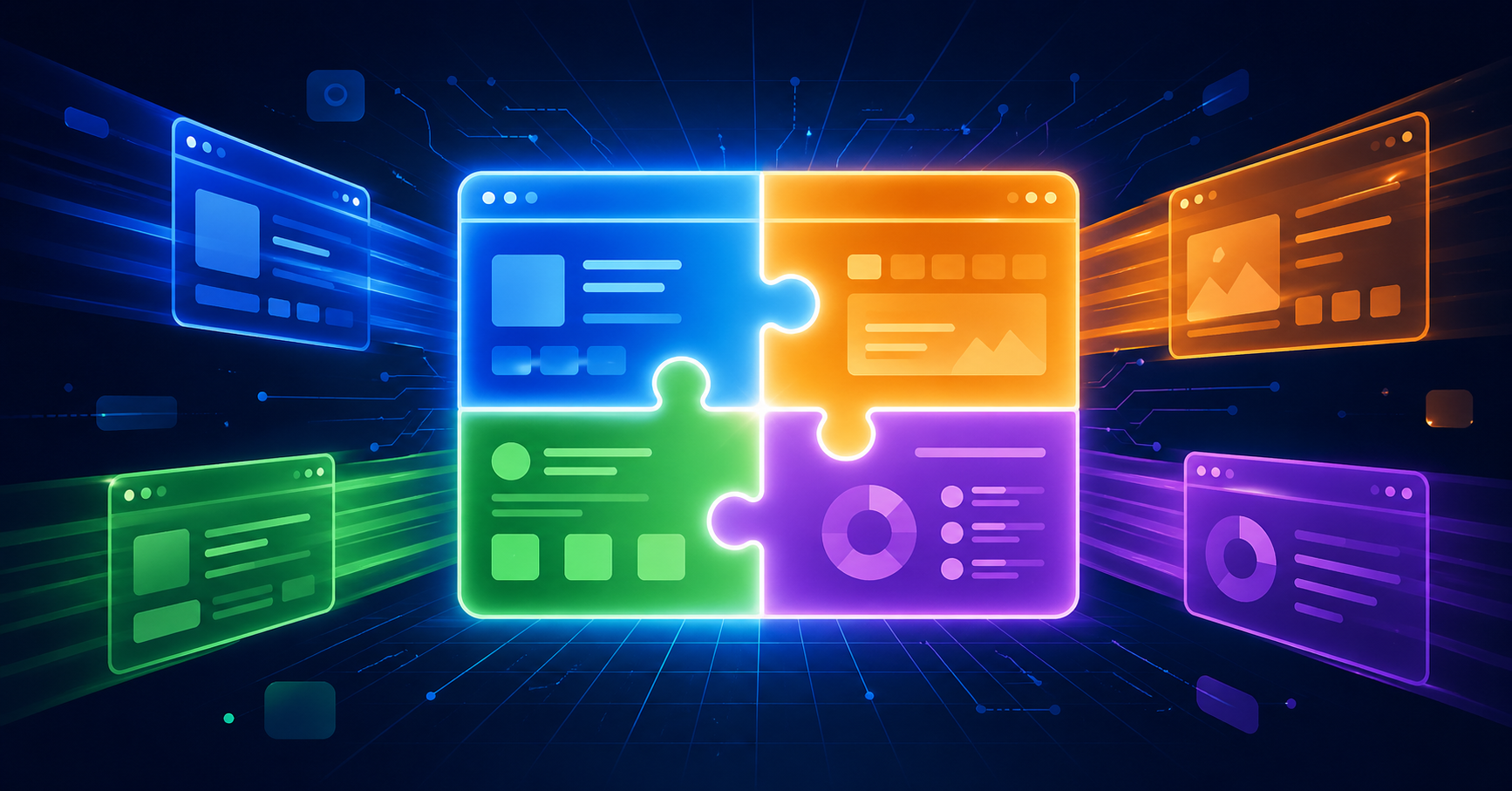
Interop is a cross-browser compatibility project where the major browser vendors — Chrome, Firefox, Safari, and Edge — formally commit to aligning on the same web standards at the same time. According to the web.dev/blog/interop-2026 announcement, the 2026 initiative targets some of the highest-impact areas of modern web design, including how pages transition, how navigation behaves, and how animations and dialogs render across different environments.
For non-technical business owners, here is the plain-language version: when browser vendors disagree on how a feature should work, developers have to write extra code to cover every variation. That extra code adds time, cost, and risk. It also means your website might look or feel different to a visitor using Chrome versus someone browsing on iPhone Safari — and that inconsistency can quietly erode trust and conversion.
Interop 2026 reduces that disagreement at the source. When browsers commit to shared standards, developers can build modern, polished experiences once and trust they will work correctly everywhere your visitors are.
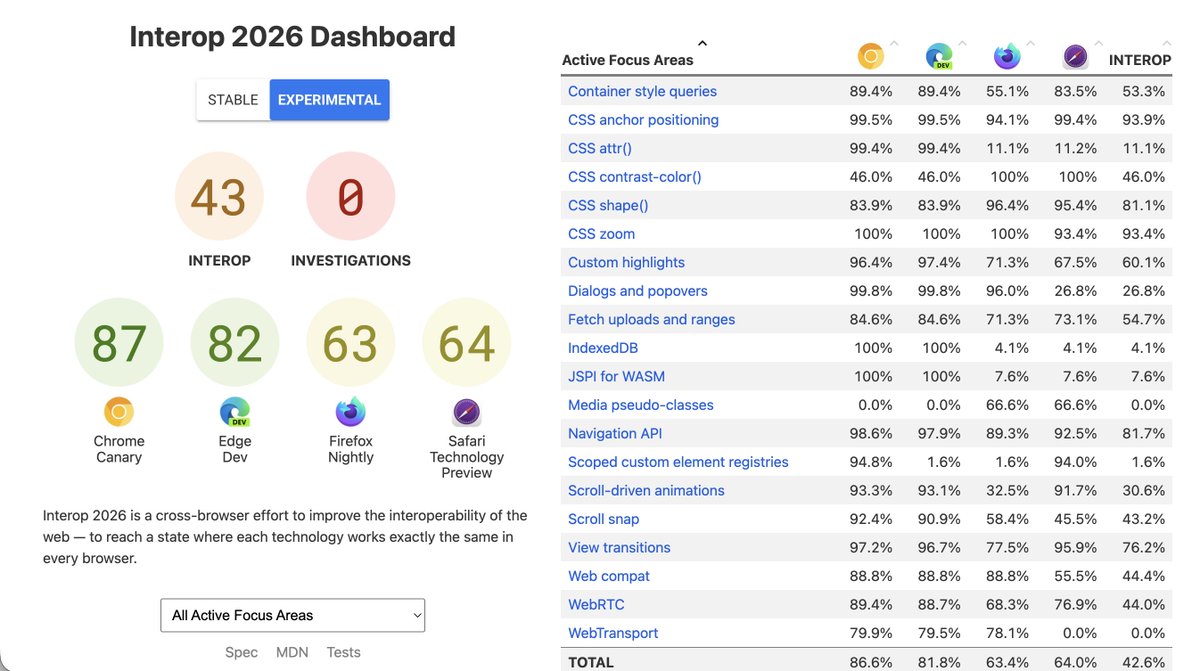
Image courtesy of web.dev/blog/interop-2026
The UX Features Getting a Major Cross-Browser Upgrade
The features targeted in the Interop 2026 initiative are not abstract developer concerns. They directly affect how your site feels to use. Here are three worth understanding:
Smoother page-to-page transitions (View Transitions API):
When a visitor clicks from your homepage to a product page, that moment of loading feels abrupt on most websites. View Transitions allow pages to animate in and out fluidly, the way a well-designed mobile app does. Until now, achieving this across browsers required heavy JavaScript frameworks. With Interop 2026 alignment, it becomes a native, lightweight capability.
Scroll-driven animations:
These are the subtle visual effects that respond as a user scrolls down your page — elements fading in, sections sliding into place, progress indicators moving with the page. Done well, they create a sense of quality and intentionality. Done with old workarounds, they can slow your site down and still break in certain browsers. Standardized scroll animations mean better performance and broader compatibility.
Consistent navigation and dialog behavior (Navigation API and dialogs):
From dropdown menus to popup confirmations and modal windows, how your site handles navigation and interactive prompts matters for usability and accessibility. The Navigation API and dialog element improvements in Interop 2026 help ensure these interactions behave predictably regardless of browser, which is particularly important for ecommerce flows like checkout, filters, and account management.
Each of these improvements translates directly into a better experience for your visitors — and fewer hours your development team spends debugging browser-specific issues.
What This Means for Your Website or Online Store
If your current agency or developer has been delivering experiences that feel inconsistent, slow, or stuck in a previous era of web design, Interop 2026 shifts what is realistically achievable — and what you should expect from your web partner.
For retail ecommerce businesses, the impact is direct. Product pages, collection browsing, and checkout flows can now incorporate app-like transitions and smooth interactions without the performance penalties that previously came with heavy JavaScript dependencies. Your store can feel fast and fluid for shoppers whether they are on a desktop browser at work or a mobile browser on the go.
For B2B ecommerce companies, the benefits show up in polished customer portals, quote request flows, and catalog experiences that behave reliably for buyers across different enterprise environments and browser configurations. Consistency builds credibility, and credibility drives repeat business.
This is also where your choice of web development partner matters. Blayzer has been building and evolving websites and online stores since 1998, which means over 25 years of staying ahead of platform shifts — not just reacting to them. The full-service model at Blayzer means your design, development, and strategy all move together under one roof, so when a standard like Interop 2026 creates new opportunities for better UX, your site is positioned to take advantage of it without starting from scratch or managing multiple disconnected vendors.
Fewer browser-specific bugs, faster delivery of premium interactions, and leaner code that does not drag down your page speed — these are the practical outcomes of building with current web development standards and a team that knows how to apply them. [link: web design services at Blayzer]
Your Site Should Work Beautifully — Everywhere
Browser inconsistencies have been an accepted frustration for too long. If your website underperforms in certain browsers, feels outdated compared to competitors, or has been held together by workarounds that create more problems than they solve, the landscape is shifting in your favor — but only if you are working with a team that is building to current and emerging standards.
Blayzer monitors initiatives like Interop 2026 proactively so that the sites built for clients are always positioned ahead of the curve, not catching up to it. Whether you are running a retail storefront, a B2B ordering portal, or a professional services website, your visitors deserve a consistent, high-quality experience no matter where they browse from.
If you are ready for a website that performs the way your business deserves, Talk to an Expert at Blayzer and find out what modern web design done right actually looks like.