
AI Shopping Agents and Auto Parts Fitment Data: Fix the Gap
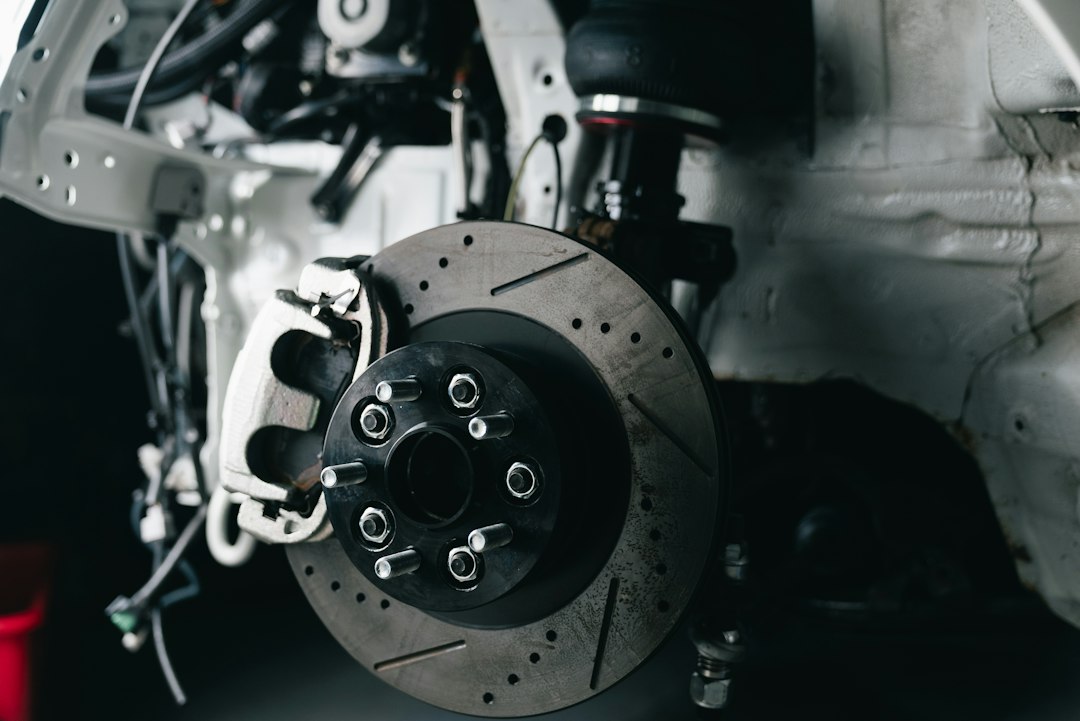
A shopper asks ChatGPT for front brake pads for a 2019 Ram 3500 with dual rear wheels (DRW). The assistant opens your product page and finds a price and a part number. The vehicle list that answers the question sits behind a “Check Fit” dropdown that only loads after a person picks a year. So the agent works from the product title, makes its best guess, and recommends a pad built for the single rear wheel (SRW) truck.
Web Shop Manager, a platform built for aftermarket parts sellers, describes this exact failure. When AI is layered onto a flat catalog, it “hallucinates fitment and sends the DRW pad to an SRW customer.” The fix is not a smarter AI. It is fitment data that a machine can read without clicking anything.
Why can’t AI shopping agents read my fitment data?
Most Year/Make/Model tools load fitment with JavaScript after a shopper selects a vehicle, so the raw HTML of the product page contains no vehicles at all. An AI agent that fetches the page sees the same empty shell a 2008 search crawler would have seen.
Your ACES file may list 340 vehicle applications for a single wheel bearing. Your storefront may display them perfectly to a human. None of that matters to an agent if the data only exists inside an API call that fires when someone touches a dropdown.
OpenAI’s crawler documentation is a useful reality check. It says OAI-SearchBot is the bot “used to surface websites in search results in ChatGPT’s search features,” and that sites blocking it will not appear in ChatGPT search answers. The same page says nothing about rendering JavaScript. You should not build your catalog strategy on the hope that every agent runs your filter scripts the way Chrome does.
Two quick tests tell you where you stand:
- Use View Source, not Inspect. Open a product page, choose View Page Source, and search for a model name you know the part fits. If it is not there, agents probably cannot see it either.
- Check robots.txt. Look for rules that block OAI-SearchBot or other AI crawlers. Some security plugins and CDN settings add these blocks without anyone on your team deciding to.
What does a wrong AI recommendation cost an auto parts seller?
It costs you a return on a heavy, often greasy part. It also costs you the recommendation itself, because the agent learns nothing useful from your page and moves on to a seller whose data it can parse. That second cost is the one most stores never see in a report.
AI-referred shopping is no longer a rounding error. Adobe Analytics measured a 693.4% year-over-year jump in traffic to U.S. retail sites from generative AI tools during the 2025 holiday season, based on more than 1 trillion retail site visits. That base started small, but it is growing far faster than the parts channel itself.
The parts channel is still growing too. The Auto Care Association and MEMA Aftermarket Suppliers project online parts sales, excluding third-party marketplaces, to grow 4.6% in 2025 and at a 5.4% compound annual rate from 2022 to 2030. Their same report notes that retailers have leaned on vehicle compatibility tools to make buying easier. Those tools were designed for humans with a mouse. Agents need the same answers in a different format.
Here is the concrete risk. A brake rotor for a 2017 F-150 comes in several sizes depending on the brake package. If your page only says “Fits 2015 to 2020 Ford F-150,” an agent will repeat that. The customer orders the wrong diameter, and you pay freight in both directions on a 25-pound part.
How do I expose YMM and ACES data so AI agents can parse it?
Render fitment into the HTML the server sends, give every vehicle combination a real URL, and offer a direct way for software to ask whether a part fits. Each layer catches agents the others miss.
Server-rendered fitment tables on product pages
Print the vehicle list as a plain HTML table on the product page, including the qualifiers that actually decide fit, such as drive type or single versus dual rear wheels. For parts with hundreds of applications, show the most common vehicles on the page and link to a full fitment page for that SKU. Keep the interactive “Check Fit” widget for shoppers. It just should not be the only place the data lives.
Crawlable vehicle pages instead of filter URLs
A URL like /parts?year=2019&make=ram&model=3500 is often blocked from crawling or treated as duplicate content. A page at /fits/2019-ram-3500-drw/brake-pads/, built from your ACES data with a real heading and a real product list, is something both Google and an AI agent can fetch and cite. Generate these only for vehicle and category pairs where you actually stock parts, or you will publish thousands of thin pages.
A queryable fitment endpoint
The next step is letting agents ask your system directly. That can be a simple JSON endpoint that answers “does SKU X fit vehicle Y.” It can also be a Model Context Protocol (MCP) server. MCP is an open standard Anthropic created that lets AI tools call outside data sources instead of scraping pages. This is custom development work on most platforms, and it only pays off once your ACES data is clean.
What product schema markup should auto parts pages use?
Use Schema.org Product markup with offers and a manufacturer part number on every SKU, and add fitment as structured relationships rather than burying it in the description. Google requires that structured data match what is visible on the page, which is one more reason the fitment table has to be in the HTML.
Schema.org includes a core property, isAccessoryOrSparePartFor, that tells a parser “this product is a part for that product.” You can use it to connect a brake pad to each vehicle it fits, with the vehicle and its engine described as properties of that target. Do not expect it to trigger a special Google rich result. Treat it as machine-readable context that any parser can use, and keep it in sync with the visible table.
Watch for one common mistake. Many themes output Product schema from a plugin that knows nothing about fitment, while the fitment app injects its data separately. You end up with two disconnected descriptions of the same product. The markup should be generated from the same source as the fitment table.
Do Feedonomics feeds help with ChatGPT and Google AI shopping?
Yes, for channels that accept fitment, and partly for the AI assistants that do not yet have a fitment field. A feed tool lets you keep one ACES source and send it to each channel in the format that channel expects.
Feedonomics can join fitment data from several sources and add compatibility tables directly to eBay product feeds, and it sends auto parts listings to Amazon and Walmart. eBay itself reports that listings showing compatible vehicle data have higher conversion and fewer return requests.
ChatGPT is different. OpenAI’s product feed specification, as of October 2026, requires basics like price and availability, but it has no dedicated vehicle compatibility field. That means your feed should carry fitment in the title and description where it fits naturally. The product URL in the feed should land on a page with the full server-rendered fitment table. The feed gets you considered. The page answers the fit question.
What does an AI-readiness audit for an auto parts catalog include?
It is a fixed-scope review that tells you, SKU by SKU, what an agent can and cannot read today, and it ends with a ranked fix list. When Blayzer runs it, the sequence looks like this:
- Crawl test (week 1). We fetch a sample of product and category pages the way AI crawlers do, without JavaScript, and record which pages expose fitment in the raw HTML. We also review robots.txt and CDN bot rules.
- Data review (weeks 1 to 2). We compare your ACES and PIES files against what the storefront actually shows and flag missing qualifiers, such as drive type or brake package, that cause wrong fits.
- Schema and feed review (week 2). We check product markup against the visible page and map your current Feedonomics or channel feeds against each destination’s spec.
- Remediation plan (week 3). A prioritized fix list with effort estimates. Template changes usually come first. A custom endpoint, if you need one, comes last.
Fixes typically run 6 to 12 weeks after the audit, depending on catalog size and platform. A BigCommerce or Shopify store with a third-party fitment app needs different work than a Magento store with fitment in custom tables.
You own the fitment data itself, including its accuracy and the decision on which AI crawlers you allow. We own the technical side. That covers theme templates and schema, plus feed mapping and any endpoint we build. If your ACES data has gaps, we will show you where. Cleaning it up is a separate scope: our product catalog management team can take it on, or your catalog team or data provider can handle it.
Frequently asked questions
Can ChatGPT read Year/Make/Model fitment on my product pages?
Only if the fitment is in the page HTML or reachable through a link it can crawl. Fitment that loads after a shopper picks a vehicle from a dropdown usually is not visible in the raw page. OpenAI’s crawler documentation does not describe JavaScript rendering, so put fitment in server-rendered HTML to be safe.
What is ACES data in auto parts ecommerce?
ACES, the Aftermarket Catalog Exchange Standard from the Auto Care Association, is an XML format that maps part numbers to the vehicles they fit, including qualifiers such as engine and drive type. Most manufacturers and data providers deliver fitment in ACES, and most parts platforms and feed tools can import it.
Does schema markup support vehicle fitment?
Schema.org has a core property, isAccessoryOrSparePartFor, that links a product to another product it is a part for, including a vehicle. It does not create a special Google rich result. It does give AI tools a structured fitment signal, as long as it matches the fitment table visible on the page.
Does the ChatGPT product feed have a fitment field?
As of October 2026, OpenAI’s product feed specification has no dedicated vehicle compatibility field. Include key fitment in the title and description where it reads naturally, and make sure the product URL in your feed lands on a page with a complete, server-rendered fitment table the agent can verify.
How long does it take to make an auto parts catalog AI-readable?
A focused audit takes about three weeks. Fixes usually take 6 to 12 weeks. The biggest variables are SKU count and how clean your ACES data is, and the platform you run matters too. Stores that need a custom fitment endpoint should plan for the longer end of that range.
The next step for your catalog
Every month your fitment stays hidden behind a dropdown, AI assistants keep answering your customers’ “will this fit my truck” questions with someone else’s data or with a guess. Start with the View Source test on your five best-selling SKUs this week. If the vehicles are missing, book an AI-readiness audit for your auto parts catalog and we will show you which pages agents cannot read today and what it takes to fix them on your platform. You can also see how we approach automotive ecommerce and Feedonomics feed management.