
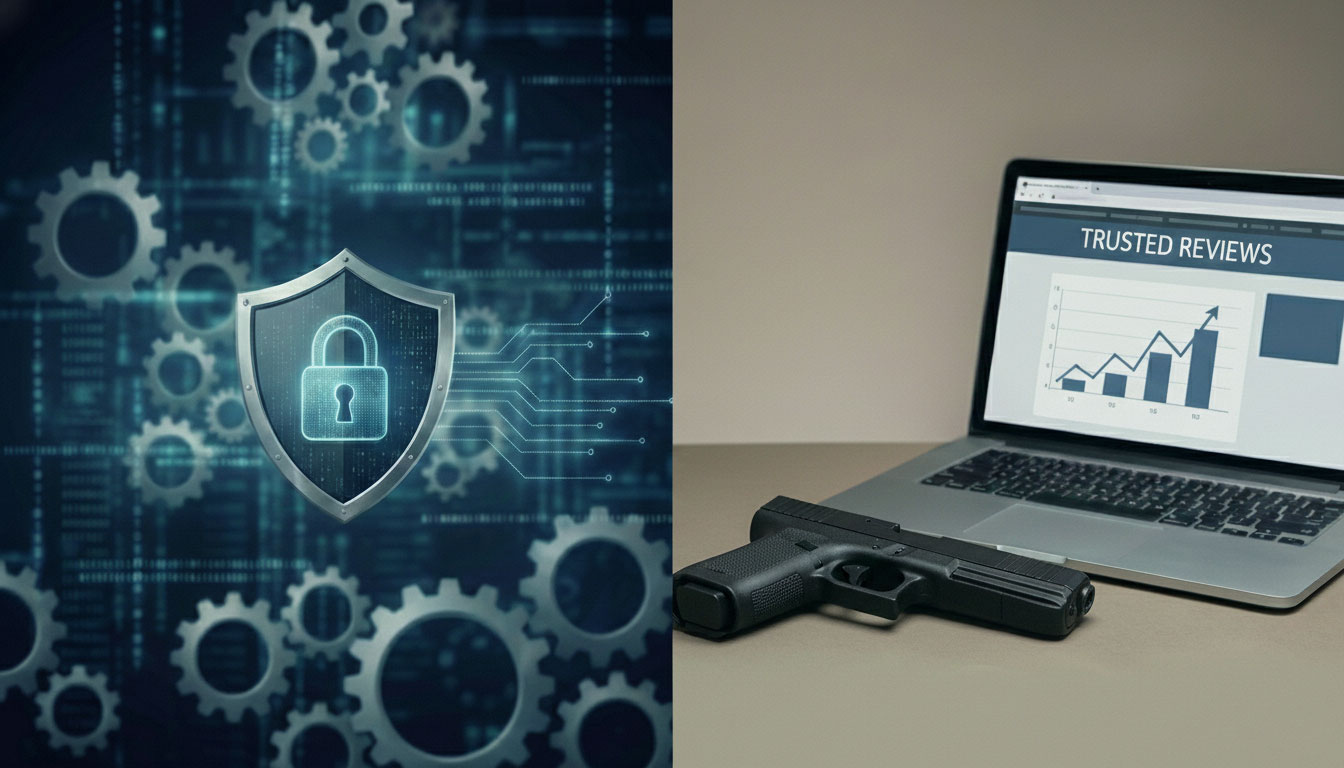
Reputation Management for Firearms, Tactical & High-Scrutiny Ecommerce Brands
Firearms, ammunition, hunting, and shooting sports ecommerce brands operate in an environment shaped by constraint.
In firearms, ammunition, tactical, hunting, and shooting sports ecommerce, reputation directly influences how buyers evaluate risk, credibility, and professionalism. Products in this category carry safety, legal, and ethical considerations that extend well beyond price or convenience.
Buyers pay attention to how brands communicate, how they respond to feedback, and how consistently they operate across public channels. Small signals compound quickly. Over time, reputation becomes a meaningful driver of conversion, retention, and platform stability.
Reputation management in regulated ecommerce is not a surface-level activity. It is an operational discipline.
Why Reputation Carries More Weight in Regulated Ecommerce
Firearms and tactical brands operate in a higher-scrutiny environment than most online retailers. Buyers approach purchases carefully and often seek confirmation beyond product descriptions.
Reputation influences:
How confident buyers feel completing a purchase
How long they spend evaluating alternatives
Whether they return after the first transaction
How platforms and partners perceive risk
Inconsistent communication or unresolved public issues introduce hesitation. Clear, measured, and consistent responses reinforce trust.
Reviews Are a Core Trust Signal
Reviews function as one of the most influential decision layers in regulated ecommerce. Buyers often read them early in the evaluation process and return to them before checkout.
Effective review management focuses on visibility, consistency, and follow-through. Reviews should reflect real usage and real outcomes. Responses should acknowledge feedback clearly and factually.
Platforms such as Clearer.io are commonly used to centralize reviews across products and experiences. The value comes from how reviews are managed and responded to over time, not simply how many are collected.
Handled well, reviews reduce uncertainty and shorten the decision cycle. Handled inconsistently, they create friction that lingers.

Public Responses Shape Brand Perception
Buyers in firearms and tactical ecommerce pay close attention to how brands respond publicly. Responses are read as signals of accountability and competence.
A strong response framework helps teams address:
- Product questions or misunderstandings
- Shipping or fulfillment issues
- Policy clarification
- Edge cases tied to compliance or eligibility
Tone and consistency matter. Responses should reflect the same standards regardless of platform or situation. Over time, this consistency becomes part of the brand’s reputation.
Reputation Extends Beyond Reviews
Reputation is shaped across multiple touchpoints, not just review platforms.
For firearms and tactical brands, this often includes:
User-generated content showing real-world use
Mentions from instructors, trainers, or trusted industry voices
Educational content tied to safety, application, or maintenance
Clear policy communication across the site
When these elements are aligned, buyers encounter a consistent picture of the brand regardless of how they discover it.
Monitoring and Early Signals Matter
Reputation issues rarely appear all at once. They develop gradually through patterns in feedback, questions, and discussion.
Active monitoring helps brands identify emerging concerns early. Repeated questions, similar complaints, or confusion around policies are signals worth addressing at the system level.
Early awareness allows teams to respond before issues escalate publicly or affect conversion.
Reputation and Lifecycle Communication
Post-purchase communication plays a quiet but important role in reputation management.
Order updates, shipping notifications, follow-up education, and policy clarity reinforce confidence after the sale. When communication matches expectations, buyers are more likely to leave positive feedback and less likely to escalate issues publicly.
CRM and lifecycle platforms such as Zoho and Klaviyo are often used to support this consistency. The goal is clarity and reassurance, not promotion.


Reputation Is an Operating Discipline
For regulated ecommerce brands, reputation management works best when it is embedded into operations rather than treated as a reactive task.
This typically includes:
- Clear ownership of review and response workflows
- Defined tone and response guidelines
- Alignment between support, fulfillment, and marketing teams
- Regular review of feedback patterns and root causes
When reputation is managed this way, public issues become less frequent and easier to resolve.
How Blayzer Approaches Reputation Management
Blayzer Digital works with firearms, ammunition, tactical, hunting, and shooting sports brands to build reputation systems that support trust and performance.
Our approach focuses on:
We treat reputation as part of the growth system, not a separate channel.
Review strategy and response consistency
Integration between reviews, support, and lifecycle communication
Monitoring and pattern analysis across platforms
Aligning content, policies, and operational execution
We treat reputation as part of the growth system, not a separate channel.
What This Means for Regulated Ecommerce Brands
In high-scrutiny ecommerce categories, reputation influences every stage of the customer journey.
Brands that manage it deliberately experience steadier conversion, stronger retention, and fewer operational surprises. Teams spend less time reacting and more time improving systems that prevent issues from repeating.
For firearms and tactical ecommerce brands, that discipline creates durable advantage.
Build Trust That Supports Long-Term Performance
In regulated ecommerce, trust reflects how well systems, communication, and operations align under scrutiny. Reputation improves when those pieces work together consistently.
Blayzer helps brands treat reputation management as an operating discipline rather than a reactive task. If reviews, responses, or public perception feel harder to manage than they should, there is an opportunity to add structure and clarity.
If you want help strengthening trust and reducing reputational risk, contact us to discuss how we can support your team.