

How to Launch a New Product in Firearms, Tactical & Shooting Sports Ecommerce Without Paid Ads
Launching a new product in firearms, ammunition, or shooting sports ecommerce comes with constraints that most retail brands never face.
Advertising access is limited. Platform enforcement is inconsistent. Messaging and product presentation are closely scrutinized.
Despite those constraints, new products are launched successfully in this space every day. The brands that execute well do not rely on a single channel or campaign. They rely on preparation, owned audiences, and clear execution across systems.
This article outlines how regulated ecommerce brands can launch new products without depending on paid ads, using repeatable processes that create momentum before launch and stability afterward.
Why Product Launches Struggle in Regulated Ecommerce

When launches underperform in firearms and tactical ecommerce, the issue is rarely product quality. More often, buyers encounter the product before they understand where it fits or why it exists.
Teams push inventory live before context is established. Product pages carry too much responsibility. Support teams absorb questions that could have been answered earlier. Internal confidence drops as uncertainty rises.
Strong launches avoid this pattern by shifting focus earlier in the process.
Launch Momentum Is Built Before Inventory Goes Live
In regulated ecommerce, launch day is a checkpoint rather than a starting line.
Effective launches begin with clarity around purpose and audience. Teams define who the product is designed for, how it fits into existing buying behavior, and where it belongs within the broader catalog. That clarity guides how demand is built.
Before a product becomes available, buyers should already understand:
This preparation happens through owned channels. Email lists are segmented by interest or purchase history. On-site content introduces the category or use case. Availability notifications capture intent without urgency.
By the time inventory goes live, buyers arrive informed and ready to decide.
Content Shapes Buyer Readiness When Paid Reach Is Limited
When paid advertising access is restricted, content becomes the primary way buyers encounter and evaluate a new product.
In firearms and tactical ecommerce, that content needs to be precise and grounded in real use. Clear explanations reduce hesitation. Visual demonstrations help buyers orient quickly. Background details around design, testing, or materials add credibility when appropriate.
Launch content typically includes a core product overview supported by additional material that addresses common questions. This content does more than support the launch window. It strengthens organic discovery, improves product page performance, and becomes a reference point for future buyers.
Product Pages Carry the Weight of the Launch
When this information is presented clearly, hesitation drops. Support inquiries decline. Orders move through fulfillment with fewer exceptions.
Over time, teams notice a pattern. Launches supported by clear product pages stabilize faster and create less internal disruption.
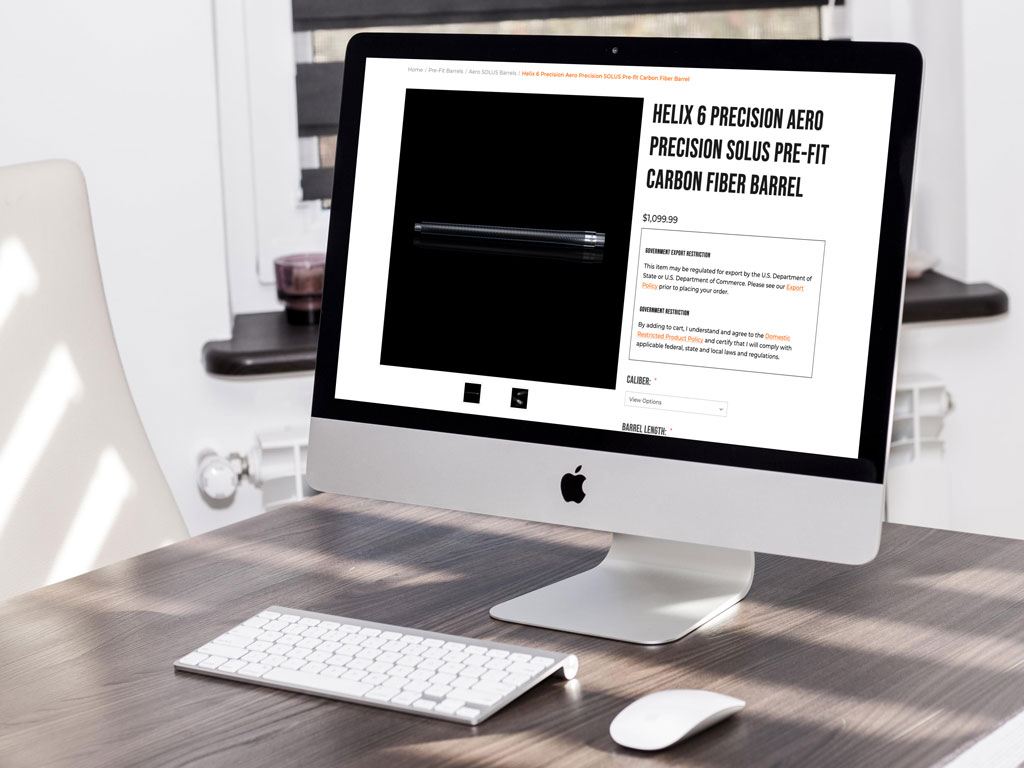
When this information is presented clearly, hesitation drops. Support inquiries decline. Orders move through fulfillment with fewer exceptions.
Over time, teams notice a pattern. Launches supported by clear product pages stabilize faster and create less internal disruption.
Coordinating Owned Channels During the Launch Window
Launching without paid ads requires coordination rather than scale.
Email usually plays the central role. Messages introduce availability, provide context, and follow up with guidance. SMS supports time-sensitive updates when appropriate. Organic social content reinforces awareness and visibility without relying on promotional language.
Consistency across channels matters. Buyers should encounter the same expectations and information regardless of where they engage.
Lifecycle platforms such as dotdigital and Klaviyo are often used to support this coordination, ensuring launch communication reflects buyer interest and purchase context over time.


Early Feedback Determines Long-Term Performance
The period after launch often determines whether a product becomes a core offering or a short-term release.
Customer behavior provides clear signals. Teams can see where buyers hesitate, which questions repeat, and which content is revisited. This feedback informs refinements to product pages, messaging, and follow-up communication.
When these signals are captured and acted on, launches become repeatable. Each release benefits from the one before it. Planning improves. Outcomes become more predictable.
How Blayzer Approaches Product Launches
Blayzer Digital works with firearms, ammunition, tactical, hunting, and shooting sports brands to design launch systems that function within regulatory and platform constraints.
Our work focuses on:
We treat launches as systems rather than one-off events. That discipline reduces risk and supports sustainable growth.
What This Means for Regulated Ecommerce Brands
Product launches in regulated ecommerce benefit from structure and preparation.
Brands that invest in owned audiences, clear content, and disciplined execution gain more control over outcomes. Launches become easier to manage. Teams spend less time reacting and more time improving processes that already work.
For firearms and tactical ecommerce brands, that control matters.
We Build Product Launches That Hold Up Over Time.
Strong launches are built on preparation, clarity, and systems that repeat. When those foundations are in place, products enter the market with momentum and stabilize quickly.
Blayzer works with firearms, tactical, and shooting sports brands to build launch frameworks that perform within real-world constraints. If launches currently feel reactive or inconsistent, the issue is usually structural and solvable.
If you are planning an upcoming launch or want to build a repeatable launch process, make an appointment with our team to get started.