Accurate Auto Parts Shipping Rates That Protect Margins
A customer orders a used aluminum radiator support and a set of brake calipers. Your cart quotes $14.99 flat-rate shipping because that is the default table rate for anything under 20 pounds. The radiator support weighs 9 pounds, but it measures 34 by 22 by 6 inches, so at the common 139 divisor the parcel carrier bills it as roughly 33 pounds of dimensional weight. The flat rate covers a fraction of that bill, and you will cover the rest again on the next oversized part unless your auto parts shipping rates come from an engine that knows what it is actually shipping.
Why Weight-Only Rules Break Auto Parts Shipping Rates
Weight-only shipping rules fail on auto parts because volume, not just weight, drives what a carrier actually charges you. A part can weigh almost nothing and still cost a fortune to move if it eats up space on a truck or in a parcel van. Carriers price around this: parcel networks bill dimensional weight, meaning length times width times height divided by a carrier-specific DIM factor, whenever that number exceeds the actual scale weight, and LTL carriers bill by freight class, which comes from density rather than raw pounds. (Source: Old Dominion Freight Line)
Run the numbers on a plastic bumper cover. It might weigh 12 pounds off the shelf, light enough that a per-pound rate table prices it like a box of spark plugs. Since July 2025, the National Motor Freight Classification has rated automobile parts by packed density, so a dense carton of accessories and a boxed fender or quarter panel can land many freight classes apart even though both carry the same “auto part” label. (Source: Old Dominion Freight Line) That gap shows up directly in what each one costs to ship, and a flat per-pound rate table cannot tell the difference.
How Dimensional and Weight-Based Rules Actually Get Set Up
Setting up dimensional and weight-based shipping rules starts with your product data, not with software. Every SKU needs a real length, width, height, and weight on file, measured in the box it ships in, not copied from a supplier spec sheet. Once that data exists, a rate engine like ShipperHQ applies a best-fit packing algorithm that groups items into the fewest, smallest boxes based on your own packing rules, then calculates dimensional weight using the DIM divisor each carrier actually uses. The number a customer sees at checkout ends up matching the number that shows up on your invoice two weeks later, instead of surprising you.
The workable sequence for most catalogs looks like this: measure and enter real dimensions for your top 200 to 300 moving SKUs by hand first, since that is where most of your order volume and most of your shipping risk sits. Backfill the long tail through a bulk import from supplier spec sheets, and flag anything missing data for your warehouse team to physically measure before it goes live. Fixing the moneymakers first and backfilling the rest second keeps a shipping-accuracy project from stalling for months waiting on a full catalog remeasure. If you are also weighing whether your current platform can even support this level of shipping logic, that is worth settling first: see our breakdown of the best ecommerce platforms for auto parts and how shipping fits into a full automotive parts tech stack.
When Parcel Stops Working and LTL Freight Takes Over
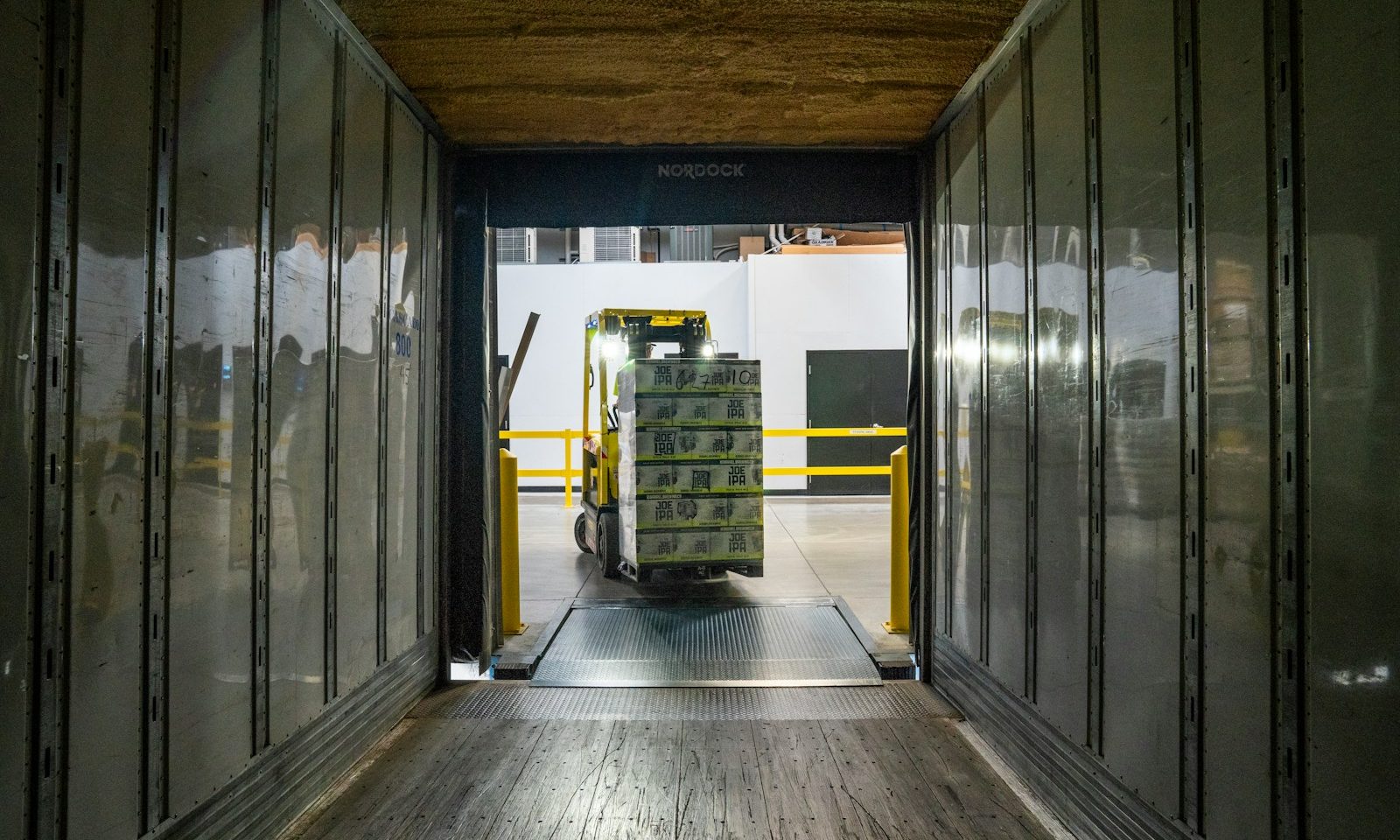
Parcel carriers generally cap out around 150 pounds per package, and LTL freight covers roughly 150 pounds up to 15,000 pounds. (Source: Old Dominion Freight Line) Most auto parts stores hit that ceiling faster than they expect, on a full front clip or a crated transmission, not just on an occasional oversized order.
LTL rating starts with freight class, assigned per product or per shipping group, and if you run a Freight All Kinds agreement with your carrier, your negotiated FAK class overrides the calculated one. On top of the base rate, accessorials add real cost. A few examples:
- Liftgate service for a residential delivery with no loading dock
- Inside delivery for a customer who cannot unload a pallet from the curb
- Limited-access fees for rural addresses a standard truck cannot reach easily
A store that quotes a flat “$99 freight” rate regardless of these factors is either overcharging city customers who have a loading dock or eating the liftgate fee on every driveway delivery. Carriers also reserve the right to reweigh and reclassify a shipment at the dock if the measurements on the bill of lading do not match what they find, so a rate quoted from bad dimensional data can turn into an invoice adjustment weeks after the order shipped.
How ShipperHQ and ShipStation Work Together for Auto Parts Stores
ShipperHQ and ShipStation solve two different problems, and running an auto parts store on just one of them usually means either accurate checkout quotes with a clunky fulfillment process, or fast label printing with rates that do not match what carriers actually bill. ShipperHQ owns the pre-purchase side. It handles dimensional packing and live LTL rates from more than 30 freight carriers, and it assigns freight class by shipping group while detecting residential versus commercial addresses so a surprise liftgate fee does not land on a business customer’s invoice. ShipStation owns what happens after the order is placed: batch label printing across hundreds of connected stores and marketplaces and automated tracking updates, at whatever discounted carrier rate you have negotiated. The two companies list each other as an official integration partner specifically so a store does not have to choose one over the other.
For a store running BigCommerce, Shopify, Magento, or WooCommerce, that split plays out like this on a real order: a customer buys a radiator and a set of hoses, ShipperHQ quotes accurate parcel and freight options at checkout based on the actual packed dimensions, the order syncs to ShipStation once it is placed, and ShipStation prints the label (and the LTL bill of lading, if it is a freight shipment) at the discounted carrier rate you have on file. Nobody re-keys an address or re-measures a box between checkout and the dock.
What This Looks Like When Blayzer Configures It
When Blayzer builds this out for an auto parts client, the work starts with a catalog audit: which SKUs already have accurate dimensions and which ones are missing data entirely. From there, the catalog gets sorted into shipping groups:
- Small parts that ship parcel under standard weight-based rules
- Boxed panels and body parts that need dimensional packing rules
- Heavy items that route straight to LTL freight regardless of weight-based thresholds
Configuration follows a set sequence:
- Box-profile and shipping-group setup in ShipperHQ
- Freight class mapping by product category
- Carrier account connection for both parcel and LTL
- Checkout QA against real carrier invoices before the new rules go live
ShipStation configuration and staff training on the combined workflow close out the project. A typical engagement runs 3 to 6 weeks, depending on catalog size and how much of the dimensional data already exists versus needs to be measured from scratch.
The client owns:
- Physical measuring of new and existing SKUs, since nobody knows the actual crated dimensions of a used transmission better than the warehouse team shipping it
- Carrier contracts and negotiated rate agreements
Blayzer owns:
- Platform configuration and the ShipperHQ-to-ShipStation integration
- Checkout testing against real carrier invoices
- Training your team on maintaining shipping groups as new products get added
Frequently Asked Questions
What is the difference between dimensional weight and freight class?
Dimensional weight applies to parcel shipments and multiplies a package’s length, width, and height, then divides by a carrier’s DIM factor to produce a billable weight. Freight class applies to LTL shipments and is based on density, or weight divided by cubic feet, with denser items landing in lower, cheaper classes.
Do auto parts stores need LTL freight if most orders weigh under 150 pounds?
Not for those orders, but almost every auto parts catalog carries some SKUs above that threshold, such as engine components or crated glass panels. If even a small share of your catalog needs LTL, your checkout needs to detect that automatically instead of forcing a manual quote request.
Can I use ShipperHQ and ShipStation together, or do I have to choose one?
You do not have to choose. ShipperHQ and ShipStation are official integration partners built to work together: ShipperHQ handles checkout-side rate accuracy and freight quoting, while ShipStation handles label printing, carrier discounts, and tracking once the order is placed.
What does it cost an auto parts store to get shipping rates wrong?
It varies by catalog, but a single misclassified LTL shipment can cost far more than quoted once a carrier reweighs and reclassifies it at the dock. Multiply that across dozens of oversized orders a month and it becomes a real hit to margin, not a rounding error.
Does BigCommerce or Shopify calculate accurate auto parts shipping rates natively?
Not on their own. Native platform shipping tools handle basic weight-based parcel rates well, but neither BigCommerce nor Shopify natively supports LTL freight class rating or best-fit dimensional packing, which is why stores add a dedicated rate engine like ShipperHQ.
What happens if a carrier reclassifies a shipment after it has already been picked up?
The carrier rebills the difference, sometimes weeks later, based on the freight class or dimensional weight their dock actually measured. Accurate product dimensions and correct freight class assignment up front are the only real defense against these post-shipment invoice adjustments.
Guessing gets more expensive every time a bumper or brake rotor ships out the door at the wrong rate, and the fix is not a bigger discount from your carrier. It is accurate data feeding an engine that knows the difference between a dense accessory carton and a boxed fender before the customer ever sees a price. If your catalog has more than a handful of SKUs that need a tape measure instead of a kitchen scale, start by auditing which of your current listings are missing real dimensions, then talk to Blayzer about a ShipperHQ and ShipStation configuration timeline sized to your catalog.